Professor Sam Jacoby
- Professor of Architectural and Urban Design Research
- Research Lead, School of Architecture
Sam Jacoby is an architect, urban designer, design researcher, and historian with a diverse research portfolio and interdisciplinary practice focused on social impact.
He is Professor of Architectural and Urban Design Research, Research Lead of the School of Architecture, and Director of the Intergenerational Design Lab and Laboratory for Design and Machine Learning at the RCA. He leads School-wide research strategy and management.
His work examines design governance, socio-spatial transformation, and data-driven, evidence-based, and intergenerational design, developing new histories and practices informed by socio-technical, material-cultural, and environmental perspectives.
An innovator in research-led teaching, he has directed PhD, MPhil, and MRes programmes, including Projective Cities at the Architectural Association School of Architecture, and was Professor of Architecture, Design, and Building Typology at the Staatliche Akademie der Bildenden Künste Stuttgart.
Sam earned a Dr.-Ing. from the Technische Universität Berlin and an AA Diploma from the Architectural Association.
Research projects


Gallery


More information
Research interests
Sam’s design research examines how architecture and urban design shape social and spatial life, and how they can generate new forms of evidence, knowledge, and practice. It advances socially engaged research through interdisciplinary approaches, cross-disciplinary collaboration, and methodological innovation.
His work is concerned with design governance, spatialised governmentality, socio-spatial transformation, and socio-technical histories. He studies the policies, standards, practices, and lived experiences that shape homes, collective forms, and everyday environments. This includes research on housing standardisation, building performance requirements, typological and morphological transformations, sustainable building practices, community and governance, and the relationship between design quality and lived experience.
His research also develops data-driven and machine learning-based approaches to architectural enquiry. It addresses questions of wellbeing, climate adaptation, intergenerational design, and the social value of the built environment, while generating new data, methods, and concepts to inform design policy and practice.
Selected research funding
Principal Investigator: Social Housing Design Quality, RCA AHRC Impact Acceleration Account (2025–2026)
Principal Investigator: Social Housing Retrofit: Energy House Types and Citizen Participation, Ecological Citizen(s) EPSRC Network+ (2024)
Co-Investigator: Sustainable Building Practices, British Council (2024)
Principal Investigator: Responsible AI in Art and Design Higher Education, RCA Strategic Investment Fund (2024)
Co-Investigator: Designing Managed Retreat: Coastal Communities in the Green Transition, Arts and Humanities Research Council Design Exchange Partnership (2023–2024)
Principal Investigator: Housing Standardisation: The Architecture of Regulations and Design Standards, Arts and Humanities Research Council (2022–2025)
Co-Investigator: Second Sea, RCA School of Architecture Research Fund (2022)
Principal Investigator: Large-scale Data Collection, Inference and Integration for Housing Design Studies, RCA Research Investment Fund (2020–2021)
Principal Investigator: Spatial Design and Wellbeing, RCA Global Challenges Research Fund (2020)
Primary Supervisor: Defining Architectural Typologies Through Structural Topologies and Machine Learning, London Arts & Humanities Partnership Collaborative Doctoral Award (2019–2023)
Director/Co-Principal Investigator: Laboratory for Design and Machine Learning, Prosit Philosophiae Foundation (2018–)
Principal Investigator: Collective Forms: Neighbourhood Transformations, Spatialised Governmentality and New Communities in China, British Academy (2018–2019)
Practice
Sam is a chartered architect and urban designer whose practice combines design, strategic advice, spatial consultancy, and practice-based research. He works on architecture and urbanism, cultural and educational projects, and institution-building across diverse scales, building typologies, and clients.
He trained as a cabinet-maker in Germany before becoming an architect.
Awards
Winner, Dezeen Graphic Design of the Year for SecondSea (with Adrian Lahoud, Accept & Proceed), 2023
Wood Pencil Winner, D&AD Awards, Graphic Design/Integrated, for SecondSea (with Adrian Lahoud, Accept & Proceed), 2023
Current and recent projects
Social Housing Design Quality, 2025–2026
This impact project translates findings from the AHRC-funded Housing Standardisation study into practical dialogue with housing associations and architects in England. Working with Dhruv Sookhoo (Manchester School of Architecture), it examines how housing quality is defined, assessed, and implemented across affordable housing delivery. Through focus groups, workshops, interviews, surveys, and public roundtables, the project explores barriers to adopting national design quality standards and develops practical recommendations for improving design decision-making, procurement, and long-term housing outcomes.
Social Housing Retrofit: Energy House Types and Citizen Participation, 2024
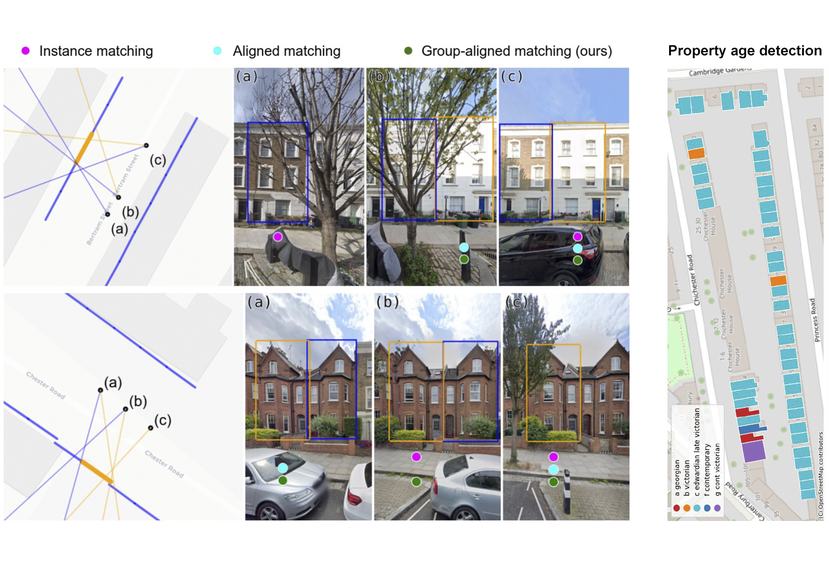
This project investigated how social housing retrofit can be better informed by combining data-driven analysis with tenant experience. In collaboration with the RCA Computer Science Research Centre, LOTI, and Retrofit London, it prototyped machine-learning methods for identifying retrofit archetypes from housing data and street-view imagery. Interviews with tenants and a stakeholder workshop examined how retrofit planning can better reflect lived experience, resident expectations, and data limitations. Outputs included data pipelines, trained models, mapping tools, and recommendations for more participatory retrofit strategies.
Social Housing Retrofit: Energy House Types and Citizen Participation, 2024
This project investigated how social housing retrofit can be better informed by combining data-driven analysis with tenant experience. In collaboration with the RCA Computer Science Research Centre, LOTI, and Retrofit London, it prototyped machine-learning methods for identifying retrofit archetypes from housing data and street-view imagery. Interviews with tenants and a stakeholder workshop examined how retrofit planning can better reflect lived experience, resident expectations, and data limitations. Outputs included data pipelines, trained models, mapping tools, and recommendations for more participatory retrofit strategies.
Sustainable Building Practices, 2024
This British Council scoping study rethinks sustainable construction through intergenerational knowledge, traditional building cultures, and ecological care. Focusing on fibrous plant-based materials, water cultures, and community-led practices, the project examined case studies across the UK, Bangladesh, and Egypt, and developed a longer-term collaborative research agenda. It explored how culturally embedded practices of maintenance, repair, material renewal, and knowledge transfer can offer alternatives to technologically driven models of sustainable construction.
Responsible AI in Art and Design Higher Education, 2024
This project examined the responsible use of AI in creative higher education. It mapped AI-related activities across the RCA, reviewed sector-wide guidance and practice, and assessed staff and student needs through surveys, interviews, and focus groups. The project produced a public report and recommendations on governance, pedagogy, and operations, contributing to College-wide discussion on AI literacy, ethical practice, and institutional support. Its findings also informed subsequent teaching and advisory developments at the RCA.
Designing Managed Retreat: Coastal Communities in the Green Transition, 2023–2024
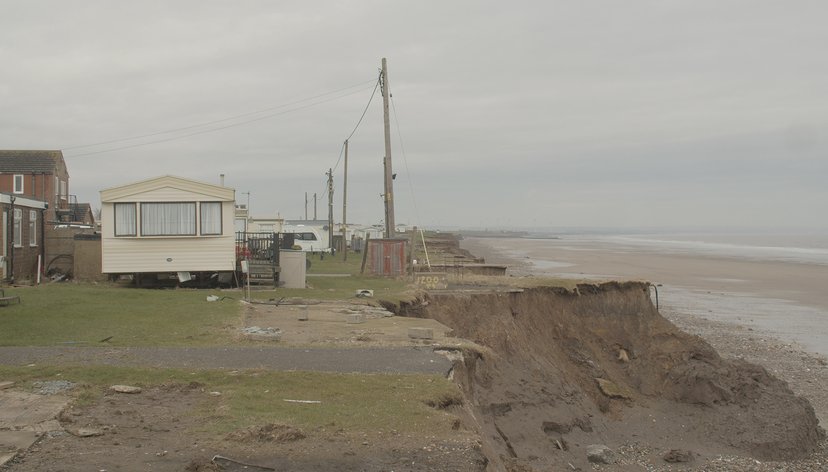
This AHRC Design Exchange Partnership with the Architecture Foundation explored how coastal communities can respond to net zero design challenges arising from a managed retreat from coastal areas affected by long-term climate change impacts and sea-level rise. The project combined design research, community engagement, and heritage thinking to explore the social and cultural dimensions of managed retreat. Working with residents and stakeholders in Hull and East Riding, it examined how community assets, local knowledge, and non-economic losses can be recognised in adaptation planning. Outputs included a community engagement report and groundwork for a practical toolkit.
Housing Standardisation: The Architecture of Regulations and Design Standards, 2022–2025
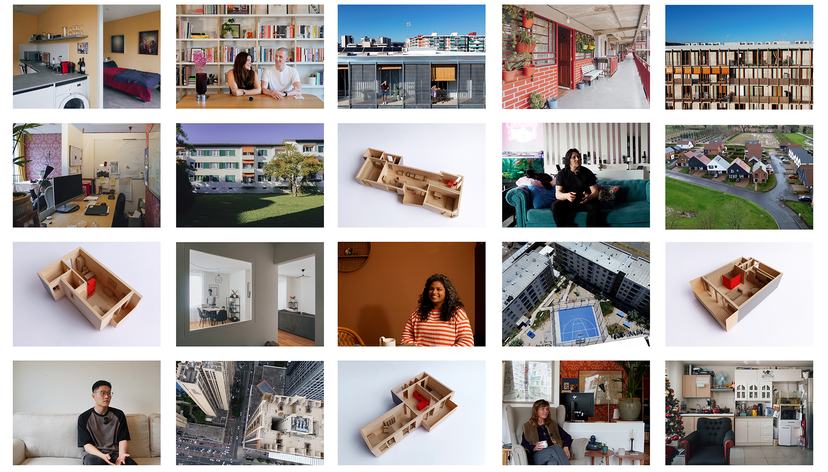
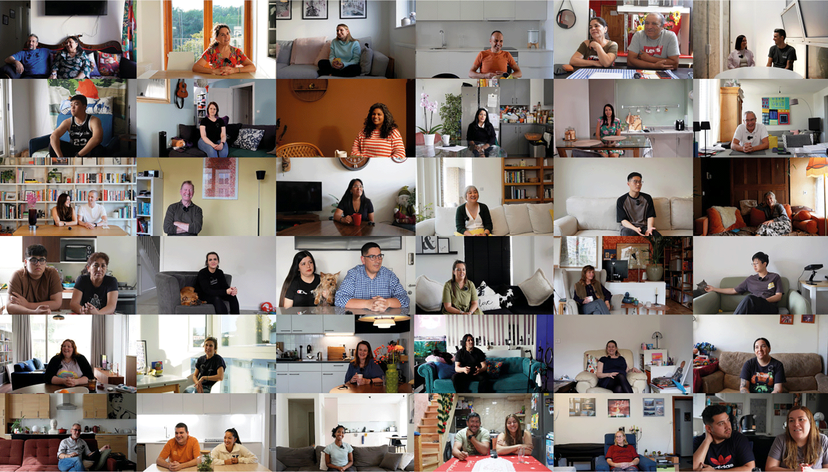
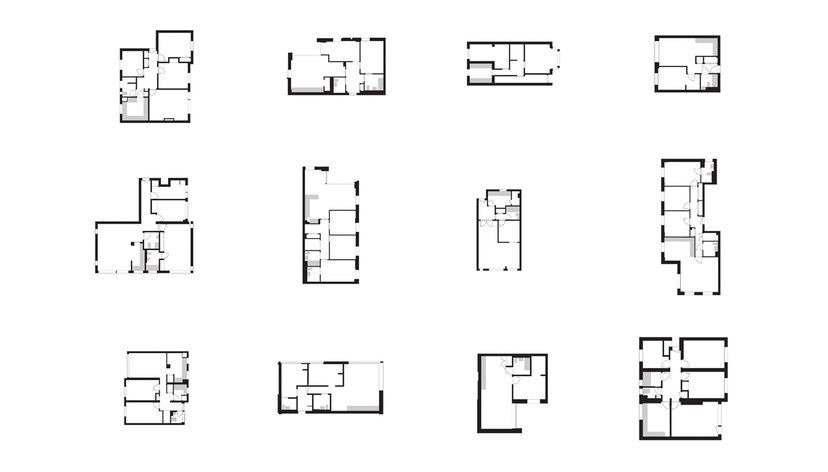
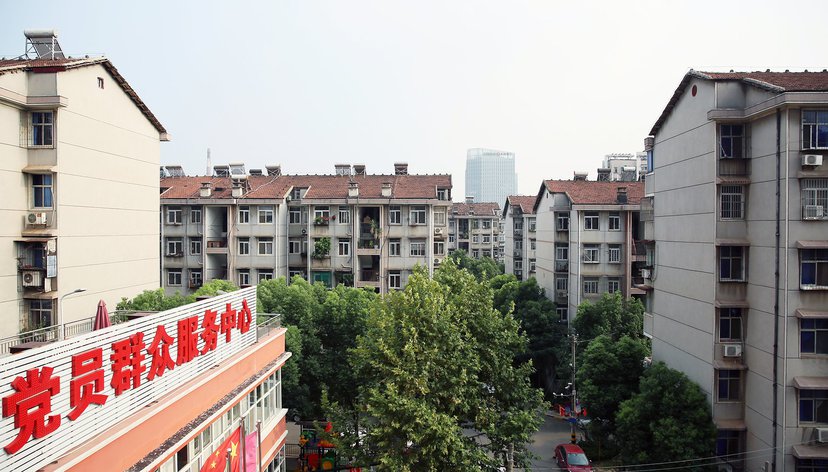
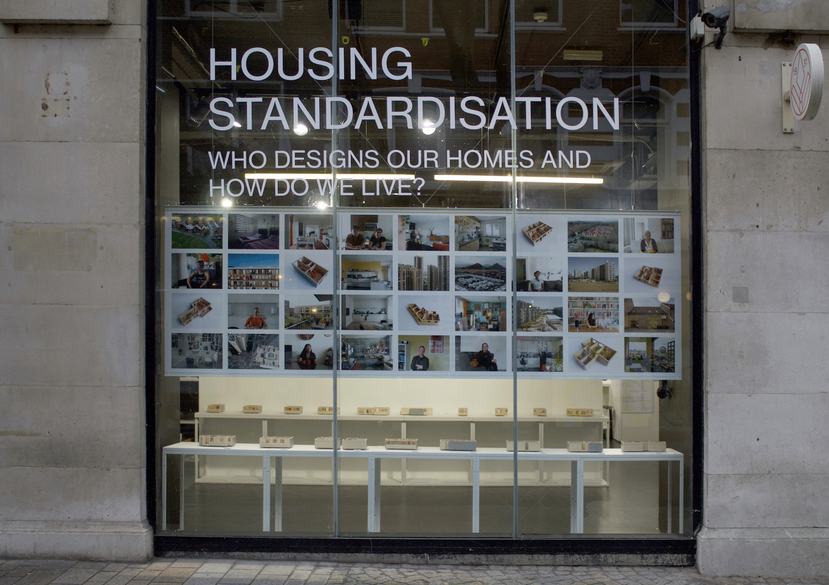
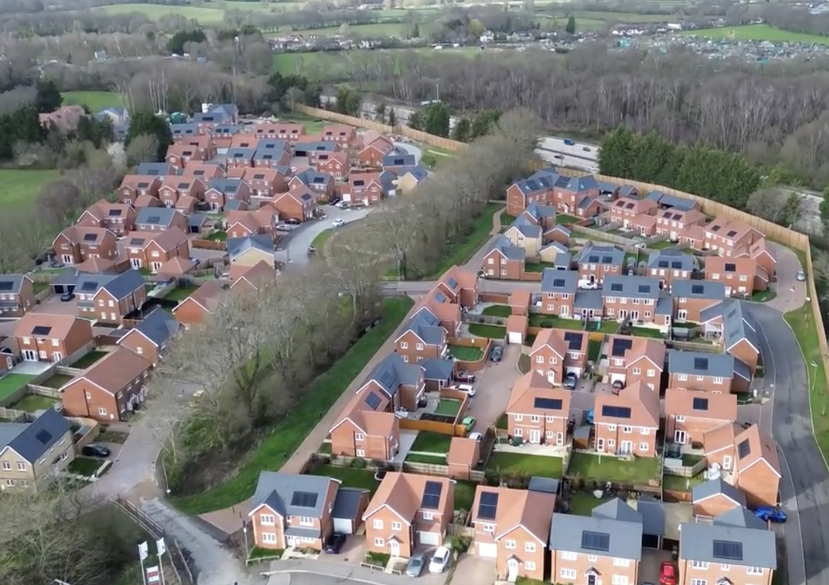
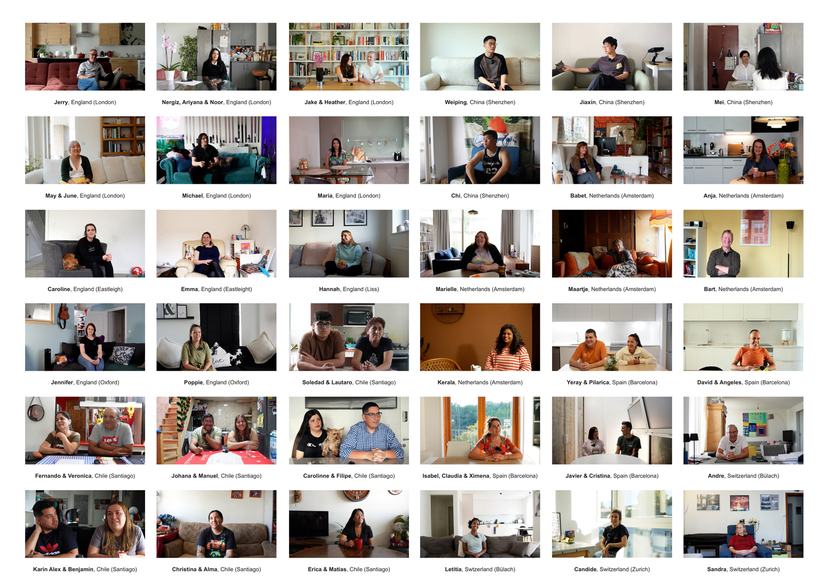
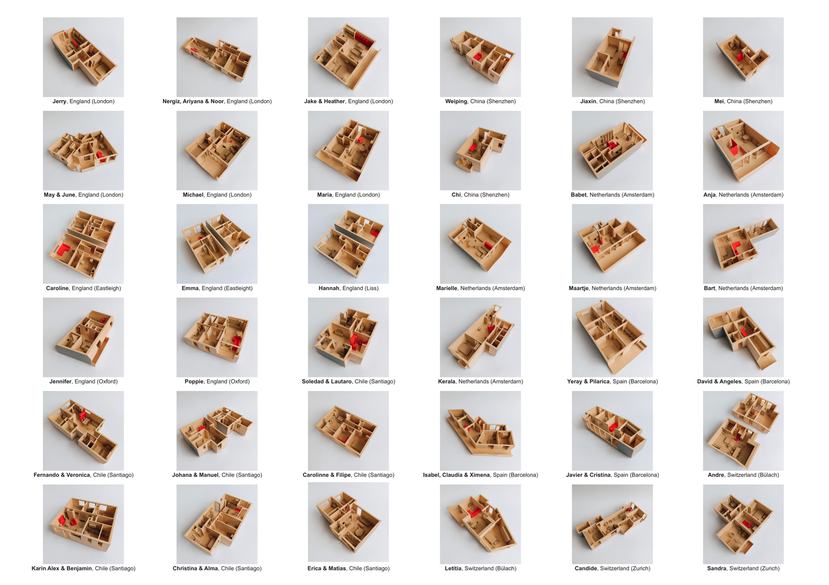
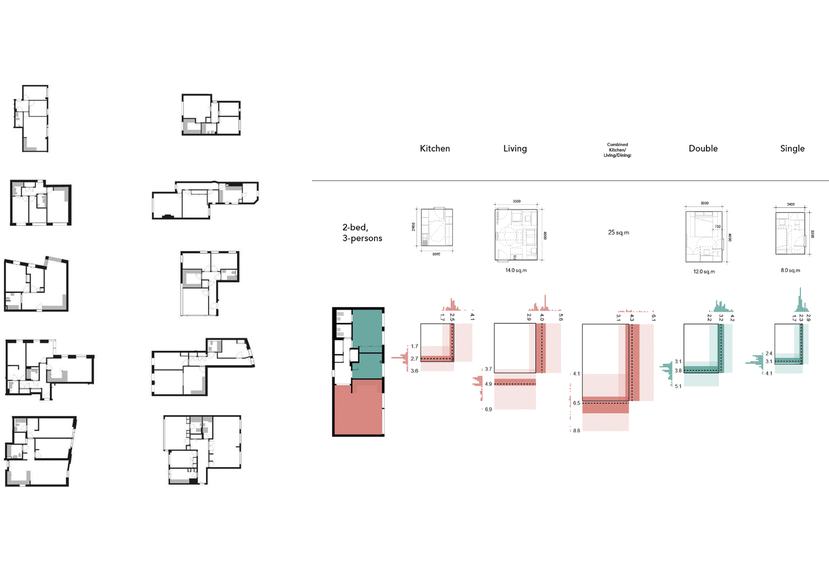
This AHRC-funded project studied how housing regulations, standards, policies, cultural norms, and social expectations shape housing design and quality. Led with Alvaro Arancibia (Pontificia Universidad Católica de Chile), it combines architectural design research, historical analysis, policy study, case studies, and lived-experience research to examine the determinants of housing standardisation and the forms of architecture it produces. The project compares historical design governance in England and Chile with contemporary housing approaches in Spain, Switzerland, the Netherlands, and China, exploring how spatial, social, and technical reasoning inform standardised housing outcomes and everyday life. Outputs include publications, public events, and the touring exhibition Housing Standardisation: Who Designs Our Homes and How Do We Live?
Second Sea, 2022
Second Sea is a research-led digital project that visualises the uneven responsibilities and consequences of sea-level rise. It takes the form of an interactive calculator that estimates financial damages owed to coastal cities by different nations according to their historic contributions to carbon emissions. The project was designed to stimulate debate about climate reparations, loss and damage, and intergenerational justice.
Large-scale Data Collection, Inference and Integration for Housing Design Studies, 2020–2021
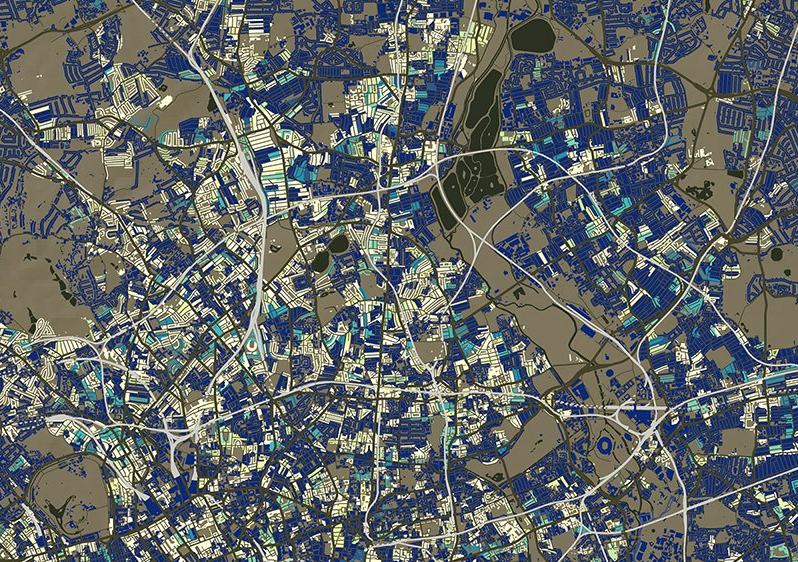
This project developed a novel machine-learning methodology for housing design research, integrating visual and statistical data on London’s housing stock. It explored how computer vision, geospatial analysis, and automated data pipelines can support the study of housing transformation, planning control, and urban change. The project established a foundation for subsequent work in the Laboratory for Design and Machine Learning, including the project Housing Studies Through the Eye of the Machine.
Publications, exhibitions, other outcomes
Books
Jacoby, S. & Arancibia, A. (2026). Housing standardisation and design governance. Routledge.
Jacoby, S. & Cheng, J. (Eds.). (2020). The socio-spatial design of community and governance: Interdisciplinary urban design in China. Springer Nature.
Jacoby, S. (2016). Drawing architecture and the urban. John Wiley & Sons.
Lee, C. & Jacoby, S. (Eds.). (2007). Typological formations: Renewable building types and the city. AA Publications.
Edited journals
Jacoby, S. & Özer, S. (2024). Housing norms and standards: The design of everyday life [Special issue]. Urban Planning, 9(2).
Jacoby, S., Cheng, J. & Tan, G. (Eds.). (2018). Collective forms in China: A contemporary review [Special issue]. New Architecture/Xin Jianzhu, 5.
Jacoby, S. (Ed.). (2015). Type versus typology [Special issue]. The Journal of Architecture, 20(6).
Jacoby, S. (Ed.). (2015). New design research in architecture and urban design [Special issue]. Urban Flux/Chengshi Kongjian Shiji, 45(5).
Lee, C. & Jacoby, S. (Eds.). (2011). Typological urbanism: Projective cities [Special issue]. Architectural Design, 81(1).
Selected chapters and journal articles
Özer, S. & Jacoby, S. (2024). The design of subsidized housing: Towards an interdisciplinary and cross-national research agenda. Housing Studies, 39(1), 297–322.
Roussel, R., Jacoby, S. & Asadipour, A. (2024). Robust building identification from street views using deep convolutional neural networks. Buildings, 14(3), Article 578.
Aydemir, A. Z. & Jacoby, S. (2024). Architectural design research in small practices. Archnet-IJAR: International Journal of Architectural Research, 18(1), 191–205.
Wang, L. & Jacoby, S. (2023). Housing experimentation and design guides: Affordable Housing in Guangzhou since 2006. Architecture, 3(4), 692–712.
Özer, S., & Jacoby, S. (2024). Space standards in affordable housing in England. Building Research & Information, 52(6), 611–626.
Starzyńska-Grześ, M., Roussel, R., Jacoby, S. & Asadipour, A. (2023). Computer vision-based analysis of buildings and built environments: A systematic review of current approaches. ACM Computing Surveys, 55(13s), Article 284.
Alonso, L., & Jacoby, S. (2023). The impact of housing design and quality on wellbeing: Lived experiences of the home during COVID-19 in London. Cities & Health, 7(4), 615–627.
Cepl, J., Jacoby, S. & Massaro, V. (2023). Oswald Mathias Ungers and the ‘city as a work of art’: The Neue Stadt in Cologne, 1961–1964. In Mosayebi, E. & Kraus, M. (Eds.), The Renewal of Dwelling: European Housing Construction 1945–1975 (pp. 158–167). Triest Verlag.
Jacoby, S., Arancibia, A. & Alonso, L. (2022). Space standards and housing design: Typological experimentation in England and Chile. The Journal of Architecture, 27(1), 94–126.
Özer, S. & Jacoby, S. (2022). Dwelling size and usability in London: A study of floor plan data using machine learning. Building Research & Information, 50(6), 694–708.
Jacoby, S. & Alonso, L. (2022). Home use and experience during COVID-19 in London: Problems of housing quality and design. Sustainability, 14(9), Article 5355.
Aydemir, A. Z. & Jacoby, S. (2022). Architectural design research: Drivers of practice. The Design Journal, 25(4), 657–674.
Avilla-Royo, R., Jacoby, S. & Bilbao, I. (2021). The building as a home: Cooperative housing in Barcelona. Buildings, 11(4), Article 137.
Jacoby, S. (2020). Urban design and spatialised governmentality: Collective forms in China. In Jacoby, S. & Cheng, J. (Eds.), The socio-spatial design of community and governance: Interdisciplinary urban design in China (pp. 3–15). Springer.
Jacoby, S. (2019). Collective forms and collective spaces: A discussion of urban design thinking and practice, based on research in Chinese cities. China City Planning Review, 28(4), 10–17.
Jacoby, S. (2018). Oswald Mathias Ungers: Dialectical principles of design. The Journal of Architecture, 23(7-8), 1230–1258.
Jacoby, S. (2015). Architectural urbanism: Proposals for the Arab World. In Saliba, R. (Ed.), Reconceptualising boundaries: Urban design in the Arab World (pp. 97–113). Ashgate.
Jacoby, S. (2015). Typal and typological reasoning: A diagrammatic practice of architecture. The Journal of Architecture, 20(6), 938–961.
Exhibitions
Housing Standardisation: Who Designs Our Homes and How Do We Live?
Touring exhibition, 2024–26.
- Farrell Centre, Newcastle, 2026
- Institut Metropolità de Promoció de Sòl i Gestió Patrimonial, Barcelona, 2025
- Col·legi d’Arquitectes de Catalunya, Barcelona, 2025
- Building Centre, London, 2024–25
- Asociación de Oficinas de Arquitectos de Chile, Santiago, 2024
Water Pressure – Gestaltung für die Zukunft. ‘Second Sea and Managed Retreat’ (with Adrian Lahoud and Benjamin Mehigan). MAK, Vienna, 2025.
Dubai Design Week 2023. ‘Housing Studies Through the Eye of the Machine’ (with Robin Roussel). Dubai, 2023.
Collective Forms in China: Wuhan (Cities Exhibition, with Jingru Cheng) and Collective Subjectivities and Housing(Global Studios Exhibition, with Platon Issaias). 2nd Seoul Biennale of Architecture and Urbanism, 2019.
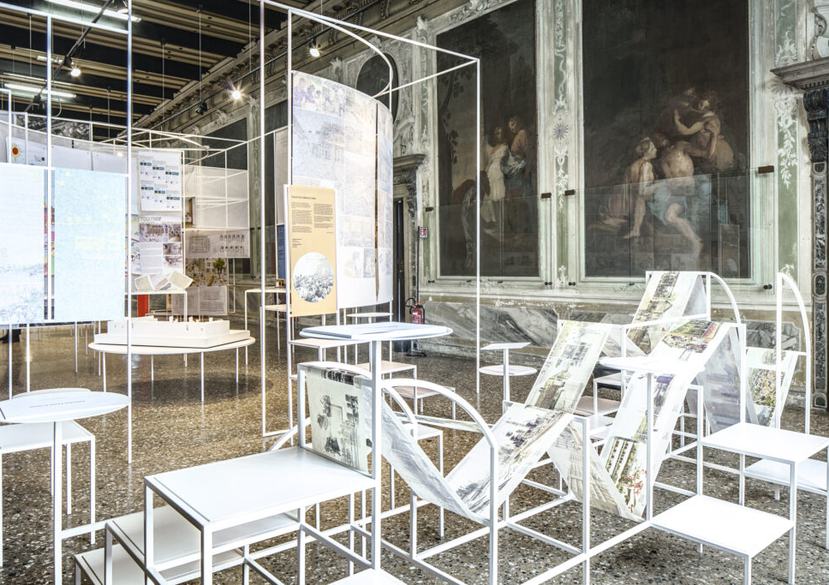
People’s Commune and Danwei (with Jingru Cheng). Across Chinese Cities – The Community, 16th International Architecture Exhibition, Venice Biennale, 2018.
Collective Forms in China (with Jingru Cheng). Beijing Design Week, 2016.
Drawing Architecture and the Urban. Architecture Today, 1st Tehran Architecture Biennial, 2016.
Ungers’s Villa [Roosevelt Island]. Past Futures, Present, Futures, Storefront for Art and Architecture, New York City, 2012.
External collaborations
Peer and expert review
- (2024) Reviewer, Parliamentary Office of Science and Technology Horizon Scan
- (2024) Reviewer, ISO 25553: Smart Multigenerational Neighbourhoods
- (2022–) Member, UK Research and Innovation Talent Panel College
- (2020–) Member, Arts and Humanities Research Council Peer Review College
Editorial roles
- (2024–) International Editor, The Journal of Architecture
- (2021–) Editorial Board Member, Urban Planning
External committee and award panel membership
- (2025) RIBA London (East) Awards
- (2024–) The King Salman Charter for Architecture and Urbanism Award
- (2020–2025) Design Subject Area Group, London Arts & Humanities Partnership
- (2018) Archiprix International 2019
Selected research collaboration and knowledge exchange
- Accept & Proceed, UK
- Addis Ababa University, Ethiopia
- AKT II, UK
- Archilyse, Switzerland
- Architecture Foundation, UK
- Association of Offices of Architects, Chile
- Clarion Housing Group, UK
- Farrell Centre, UK
- Huazhong University of Science and Technology, China
- Institut Metropolità de Promoció de Sòl i Gestió Patrimonial, Spain
- Joint Lab on Future Cities, University of Hong Kong, China
- London Councils, UK
- London Office of Technology and Innovation, UK
- Manchester School of Architecture, UK
- Ministry of Housing and Urban Planning, Chile
- Peabody Trust, UK
- Pontificia Universidad Católica de Chile, Chile
- Thirteen Housing Group, UK
- Tsinghua University, China
- XCYDE, Germany