Key details
Date
- 23 March 2026
Author
- Lisa Pierre
Read time
- 10 minutes
Sanya Malik (Curating Contemporary Art MA, 2022) is the founder of Black Cube Gallery, which aims to make art more accessible to audiences.
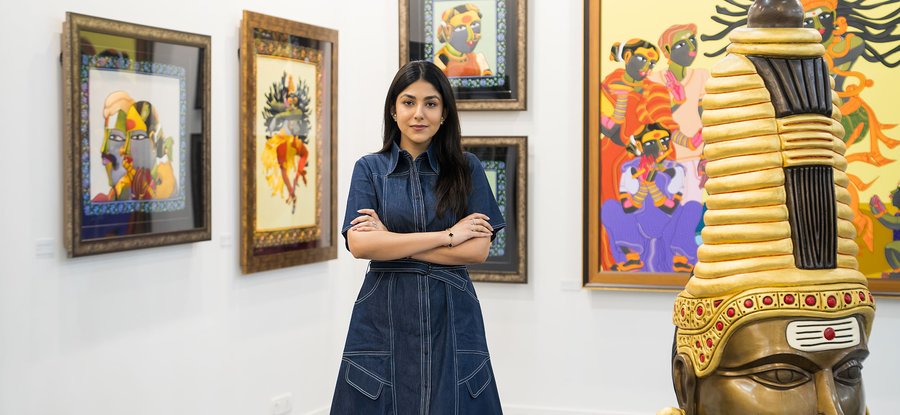
Sanya founded Black Cube as a modern and contemporary art space that challenges conventional hierarchies by bringing together established and emerging artists in a shared dialogue. The gallery remains committed to fostering meaningful engagement with contemporary art, offering exhibitions that challenge, provoke, and expand the way we experience visual culture.
“As a curator, I’m drawn to practices that challenge me first. When an artist’s work shifts my own perspective, I know there’s potential for it to resonate with others as well. Artists often possess a unique way of seeing the world and their observations can be incredibly honest and intuitive.”
Founder of Black Cube Gallery
Sanya's early career saw her working across diverse facets of the art ecosystem, including collaborations with street art organisations, art fairs, and art foundations, providing her with a multi-dimensional perspective on the industry. Her practice is invested in exploring societal and humanitarian concerns through counter-hegemonic narratives. Her work focuses on shining a light on the invisible, whether that is questioning socio-political constructs, or the complex entanglements that make us human.
Black Cube began as a nomadic gallery, deliberately flipping the white-cube tradition by staging art in unexpected, accessible locations. After being settled in a space for the last few years, do you find yourself moving again? Does the nomadic nature return for the gallery’s next chapter?
Since Black Cube’s inception in 2018, the model has continually evolved. What began as a single annual exhibition gradually developed into a nomadic model where we curated exhibitions in spaces that were contextually relevant to the artists and the practices we were presenting. In 2024, we lay down roots and found a place to call home, which was albeit a white cube space, but we really made it our own. This allowed us to give our artists a consistent platform and increase our programming capacity.
Movement has always been central to Black Cube’s identity, so rather than thinking of these shifts as reinventions, I see them as a process of adapting and asking what structure best serves the artists and the work at a particular moment. The core question remains constant: how can we most effectively give artists the visibility and context their work deserves?
The art world has historically been rigid in its structures and categories, but the contemporary landscape feels far more porous as boundaries between disciplines, audiences and formats are becoming far more fluid. I have always tried to respond to that energy. That openness to experimentation is something that was always inherent within me, but it solidified during my time at the Royal College of Art, where the emphasis on questioning established structures stayed with me. So, whether the next chapter looks nomadic, hybrid or something entirely new, the intention remains the same: to keep turning things inside out and finding new ways for artists and audiences to encounter one another.
You said that Black Cube is a space to think, feel and challenge what we take for granted – about art, gender, and the structures that frame both. Do you think it is?
I think the artists themselves are the ones who ultimately do that work.
As a curator, I’m drawn to practices that challenge me first. When an artist’s work shifts my own perspective, I know there’s potential for it to resonate with others as well. Artists often possess a unique way of seeing the world and their observations can be incredibly honest and intuitive. They notice social hierarchies, cultural behaviours and structures that we often accept without question. Through their work, those systems become visible again. Gender, power, identity, tradition – all these themes surface naturally in contemporary practice because they are embedded in lived experience. In that sense, artists themselves are the vessels for questioning what we take for granted.
Black Cube functions primarily as a platform that enables those voices to be seen and heard. While I balance multiple artists and the realities of the market, I try to remain attentive to work that pushes beyond conventional expectations whether through medium, materiality or narrative. The goal isn’t necessarily to dictate how audiences should think, but to create a space where they can feel something unexpected and reconsider their own assumptions. When that happens, even subtly, the space begins to do what it set out to do.
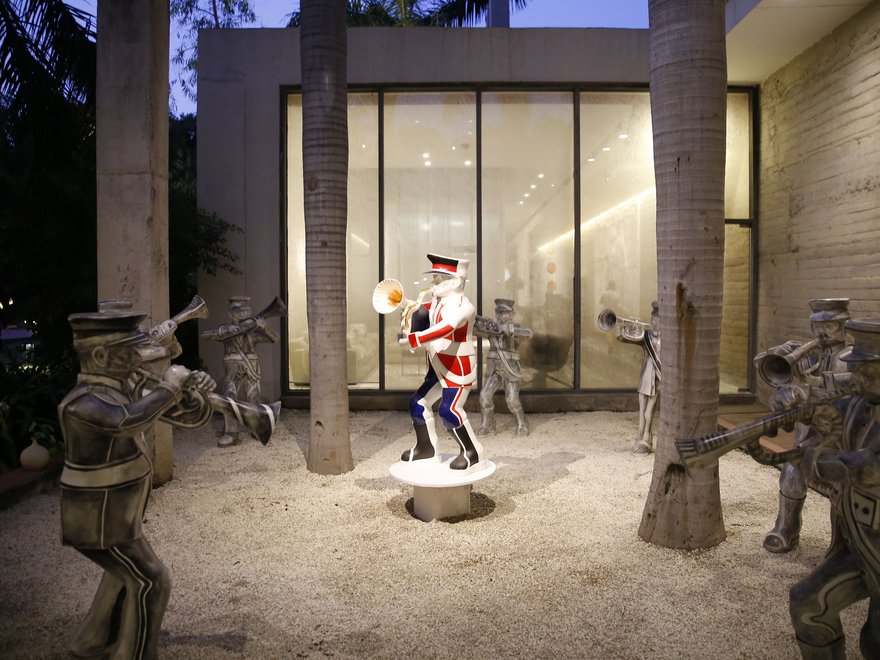
A kinetic installation by Indian artist Krishen Khanna
The gallery aims to dismantle hierarchies in the art world and open up new forms of dialogue. How realistic is this?
This is a complicated idea because galleries themselves exist within the very hierarchies they might hope to challenge. On one hand, the art world operates through structures; institutions, markets, collectors, galleries – and these inevitably create forms of hierarchy. A gallery cannot pretend to stand completely outside of that system. At the same time, within those structures there is still significant room to shape conversations and shift perspectives.
My position sits equally between gallerist and curator, which means I’m constantly thinking about three perspectives at once: the artist’s intention, my curatorial interpretation and the audience’s experience. When those three perspectives intersect meaningfully, something interesting happens. The work is no longer static; it becomes a catalyst for dialogue.
Disruption often comes from interdisciplinary thinking and understanding that the most interesting ideas often emerge where different perspectives meet. So, perhaps the role of a gallery isn’t necessarily to dismantle the system, but to widen the conversation happening within it. Sometimes it simply means widening the lens by presenting artists whose narratives feel urgent or reflective of the moment we’re living in, and sometimes it’s about the artists whose unique ways of seeing are imperative to be shared with the world. If we remain responsive to the contemporary moment and continue presenting practices that reflect the complexities of our time, the conversation keeps moving forward.
You are committed to bridging the gap between established and emerging practices. Have you seen this change? And what do you think are the biggest barriers to this currently?
When I first began working in the field, the art world often felt divided into parallel spheres: modern versus contemporary, established versus emerging, commercial versus experimental. I felt that these distinctions created unnecessary barriers. From the beginning, one of my intentions with Black Cube was to challenge some of these separations.
Showing established artists alongside emerging ones allows visibility to circulate differently. When audiences see a recognised name, they may also discover a new voice they would otherwise have overlooked. There is also such magic that comes from cross-pollination – of ideas, of practices, themes, artists. So, it’s important for emerging artists to be given a fair and equal platform when possible.
This is beginning to change – we are now seeing more work from younger emerging artists at fairs and biennales, more gallery representation for experimental and fresh voices. However, a new challenge has emerged: abundance. There is an extraordinary amount of talent and an overwhelming number of exhibitions, fairs and platforms, and yet so much talent still goes underrepresented. While this is a positive sign for the ecosystem, it also means attention becomes fragmented. Collectors and audiences have limited time, and inevitably some remarkable artists remain unseen. The challenge now is less about access and more about visibility within an increasingly saturated cultural landscape.
“Artists, curators and audiences are constantly learning from one another across borders. Because of that, representation is no longer defined simply by where someone is from, but by how deeply they engage with a practice.”
Founder of Black Cube Gallery
You want to provide a platform for emerging artists. What have you seen as common obstacles for artists since opening the gallery?
As I mentioned above, one of the most significant challenges for emerging artists is recognition. There is an extraordinary amount of talent today, but the sheer volume of exhibitions, platforms and digital visibility means it can be difficult for individual practices to stand out long enough to be properly understood. Attention moves quickly, and emerging artists often need sustained support before their work can gain traction.
Another challenge is the gap between appreciation and investment. Audiences may admire emerging work, but the transition from admiration to long-term patronage takes time. Without that support, it becomes difficult for artists to maintain the continuity required to develop their practice.
I try to approach this patiently – rather than rushing artists into visibility, we work with them over time, we support their practice, encourage experimentation and often wait until they have developed a cohesive body of work before presenting it publicly. That moment of introduction is important – it should reflect the depth and honesty of their practice rather than a single isolated work. Emerging artists need time, space and belief in their practice. If a gallery can help provide even part of that foundation, it can significantly shape the trajectory of an artist’s career.
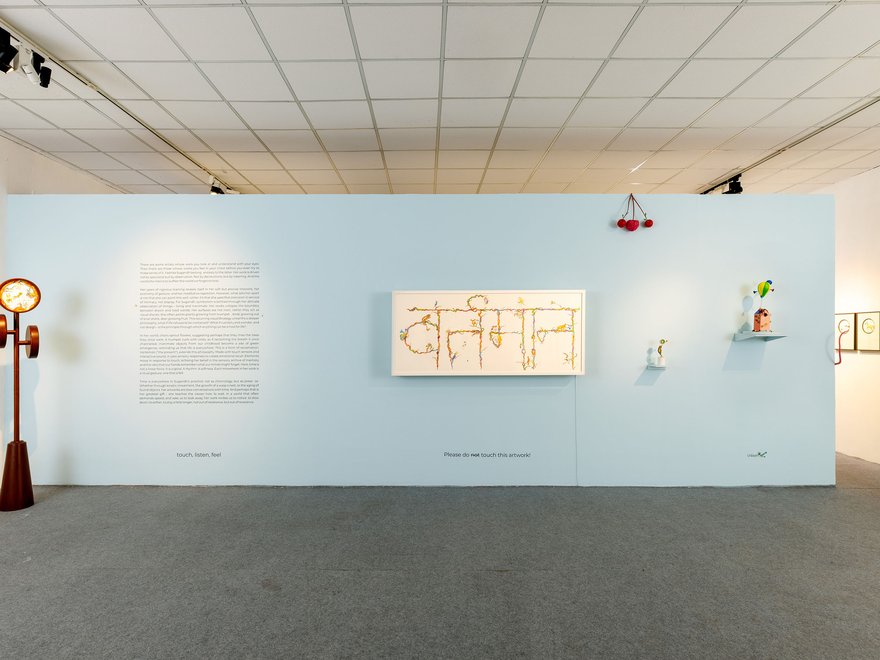
Vartaman - an immersive exhibition by artist Yashika Sugandh
Condé Nast India listed Black Cube as one of the latest art galleries and cultural hubs in India to add to one’s checklist. Do you feel that the gallery has been seen and recognised as one of the new art and culture spaces around India?
Being recognised by Condé Nast India was a wonderful milestone for us. Opening a permanent space created many new opportunities for engagement. It allowed audiences to engage with the work more directly and made the gallery far more accessible. People could encounter exhibitions organically, return for new shows and begin to build a relationship with the space.
At the same time, we opened during a moment when the gallery ecosystem in India was expanding rapidly. Across major cities there has been a resurgence of young art spaces and cultural initiatives.
It’s an exciting time, but it also means the landscape is becoming increasingly dynamic and competitive. There are always more barriers to overcome and more rooms to get a seat in. The real success however lies in the relationships that sustain the work over time.
Does the nomadic nature of Black Cube reflect or influence the artists that you can/want to showcase in specific locations/spaces?
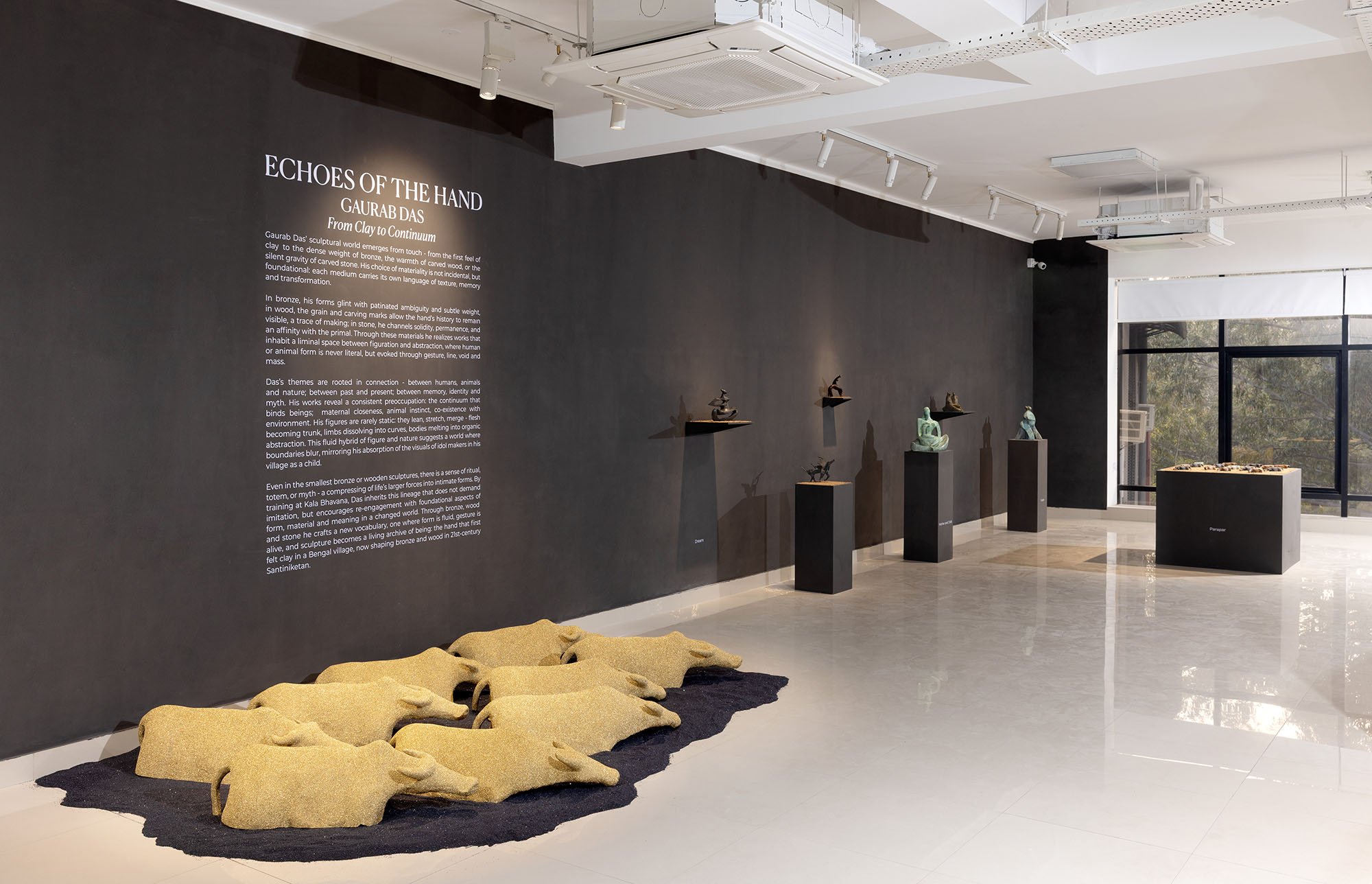
Absolutely. One of the most compelling aspects of working nomadically is that space itself becomes part of the narrative. When exhibitions take place in unconventional or context-specific locations, the environment begins to interact with the work. The architecture, the surrounding atmosphere and even the history of a space can subtly shift how an artwork is perceived. As a curator, this offers enormous flexibility and opens new possibilities for storytelling.
In the last two years we have tried to do this with exhibitions within our gallery space – making sure every exhibit feels like a viewer has walked into a different location. Rather than presenting art within a neutral container, the space becomes an active participant in the exhibition. It can frame certain themes, amplify materials or even challenge viewers’ expectations of how art should be encountered.
For artists, this can open up exciting possibilities. Their work begins to exist in dialogue with the environment around it, and that relationship often reveals new dimensions within the practice. From a curatorial perspective, I find this incredibly stimulating as it encourages a different mode of looking – both for the curator and the viewer. The audience becomes more aware of their surroundings and more attentive to how meaning is constructed through both artwork and space. That interplay between art and environment is something I’ve always found deeply compelling.
“One of the most compelling aspects of working nomadically is that space itself becomes part of the narrative. When exhibitions take place in unconventional or context-specific locations, the environment begins to interact with the work. The architecture, the surrounding atmosphere and even the history of a space can subtly shift how an artwork is perceived.”
Founder of Black Cube Gallery
What is unique about modern and contemporary South Asian Art? And where can intersections with other art be found?
Modern and contemporary South Asian art carries a remarkable ability to move between histories and futures simultaneously. The region’s artistic practices are deeply shaped by layered cultural narratives such as colonial histories, post-independence identities, migration, spirituality and rapidly changing urban environments. These complexities often appear in the work through material choices, symbolism and storytelling.
What makes South Asian art particularly compelling today is how artists engage with these histories while remaining intensely contemporary. Many artists draw from traditional crafts, philosophical ideas or visual languages rooted in the region, yet reinterpret them through modern or experimental approaches. This creates work that feels both culturally specific and globally resonant, so the intersections with other artistic movements are therefore very natural.
South Asian artists are in dialogue with global contemporary practices, whether through conceptual art, installation, performance, digital media or socially engaged practices, while still carrying distinctive perspectives shaped by their lived environments. As the art world becomes more interconnected, these dialogues are only becoming richer. Rather than existing on the margins, South Asian artists are now shaping broader conversations around identity, memory, technology and ecology. For a long time, the depth of talent across the region was underrepresented globally, but we’re now seeing greater engagement from collectors, institutions and international audiences. It is an exciting and dynamic moment where regional narratives are expanding into global ones without losing their specificity.
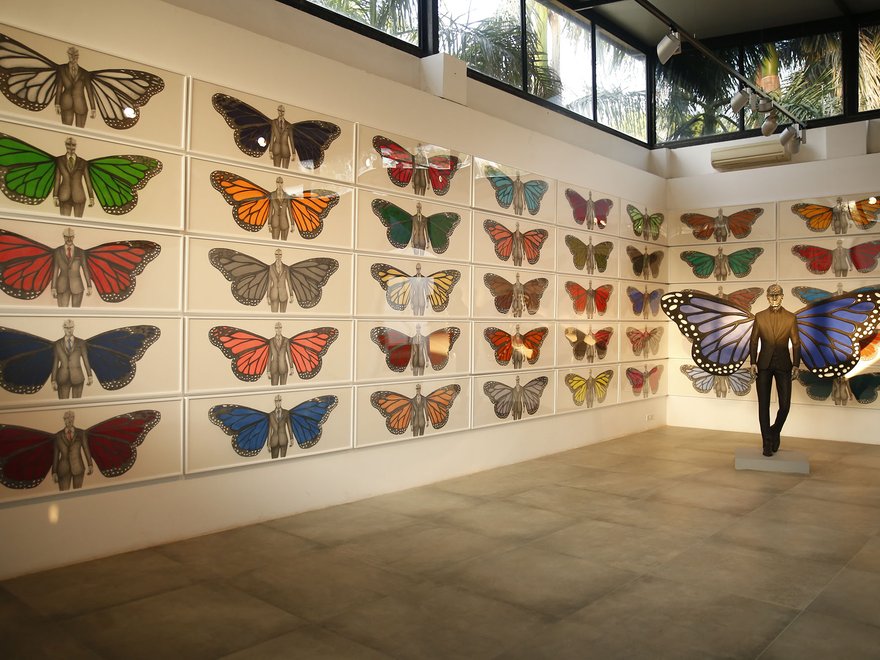
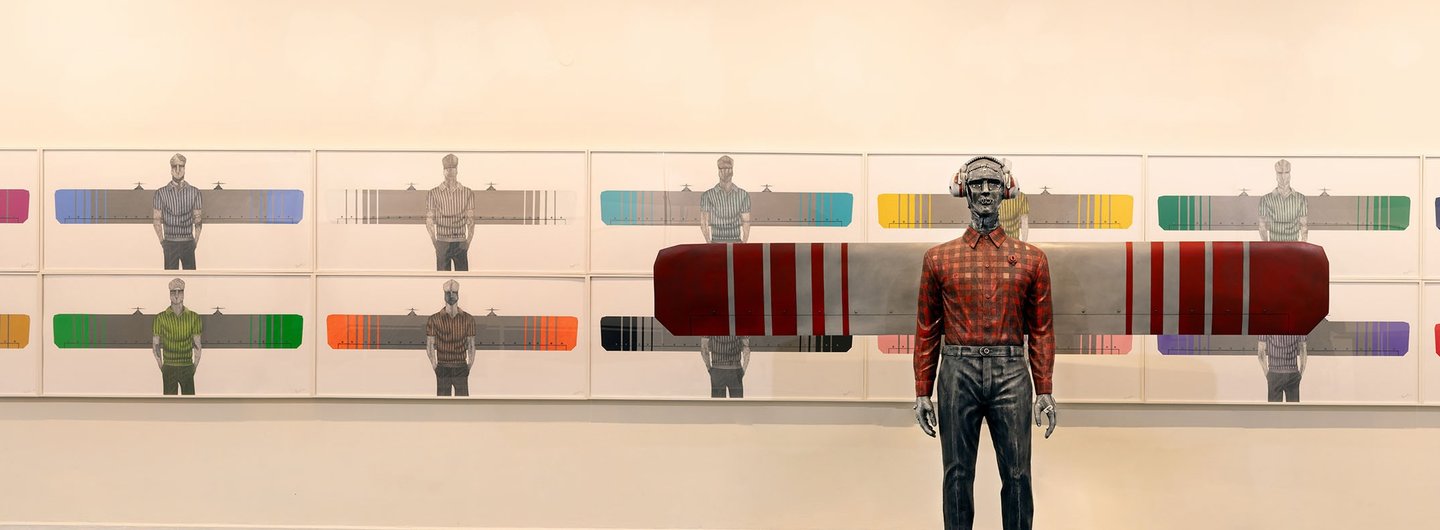
Reflections of society, 2018
Having grown up immersed in a world of Indian art, do you feel it is important for Indian artists to have representation from someone who has a connection and respect for their creativity, on a cultural level, as well as an artistic one?
I think respect and curiosity are ultimately more important than geography.
We are living in a moment where knowledge and cultural exchange are becoming increasingly decentralised. Artists, curators and audiences are constantly learning from one another across borders. Because of that, representation is no longer defined simply by where someone is from, but by how deeply they engage with a practice.
Of course, cultural context matters. Artists often draw from lived experiences that are embedded within particular histories and environments. Understanding those nuances requires time, attention and humility. What matters most is the willingness to learn by spending time with an artist’s work, to listen carefully to their intentions and to respect the complexity of their perspective. In many ways, the best curatorial relationships are built through that process of discovery. When someone approaches a practice with genuine curiosity and care, the collaboration can become incredibly meaningful and productive.
With the recent proliferation of AI and AI-assisted art, do you think there will be more demand for this to be shown in spaces like Black Cube? Do you think there is a place for AI-assistance in traditional forms of art?
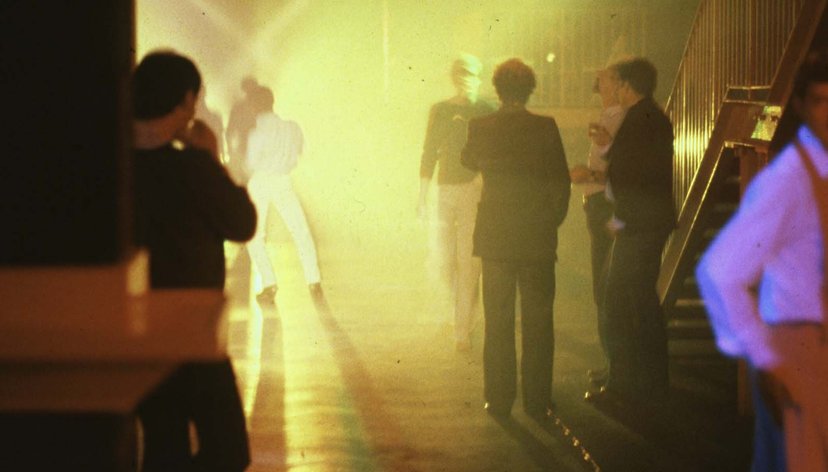
Interestingly, Black Cube engaged with emerging technologies from the very beginning. In our debut exhibition in 2018 we presented work experienced through virtual reality (VR), which at the time was still relatively new within gallery settings. That openness to experimentation remains central to our curatorial approach.
I see AI primarily as a tool, one that artists can use to expand their thinking. Many artists are already treating it as a collaborator within their practice, allowing it to generate ideas, forms or systems that they then interpret through their own creative frameworks. What AI cannot replace is the human dimension of artistic practice. Art is shaped by lived experience, intuition and emotional intelligence; qualities that remain distinctly human.
Rather than opposing “traditional” and technological practices, I think we are entering a moment where multiple forms of materiality coexist. Painting, sculpture, digital work, VR and AI-assisted processes can all exist within the same ecosystem. If artistic practice should represent or mirror social and contemporary times, then of course, AI being such a large part of our evolution has to take space within artistic practice, it’s only natural.