CoDAtoN is a transformative design initiative aimed at enhancing maritime safety in Small Islands and Developing States and Least Developed Countries through participatory approaches.
At a glance
- This research project focuses on co-designing and developing low-cost aids to navigation that are suitable for sustainable local construction and maintenance.
- By engaging local communities, the project collaboratively designs and builds aids to navigation that leverage local expertise and foster knowledge exchange.
- Extensive testing of prototypes will take place to ensure they provide the same high-level reliability as current alternatives, even in the most challenging maritime climates.
- The ultimate goal is a significant reduction in maritime risk in Small Island Developing States (SIDS) and Least Developed Countries (LDCs), ensuring that the oceans remain a safe and productive space for all nations, regardless of their economic standing.
Key details
Gallery
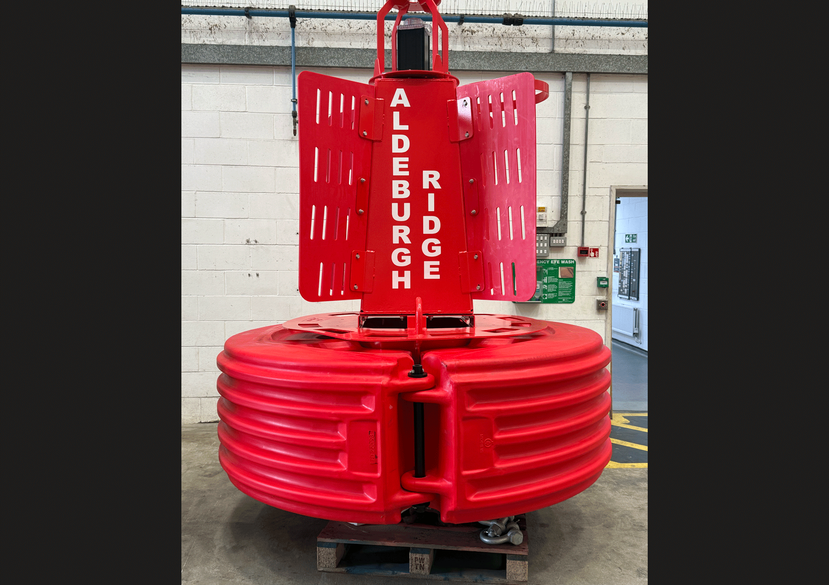
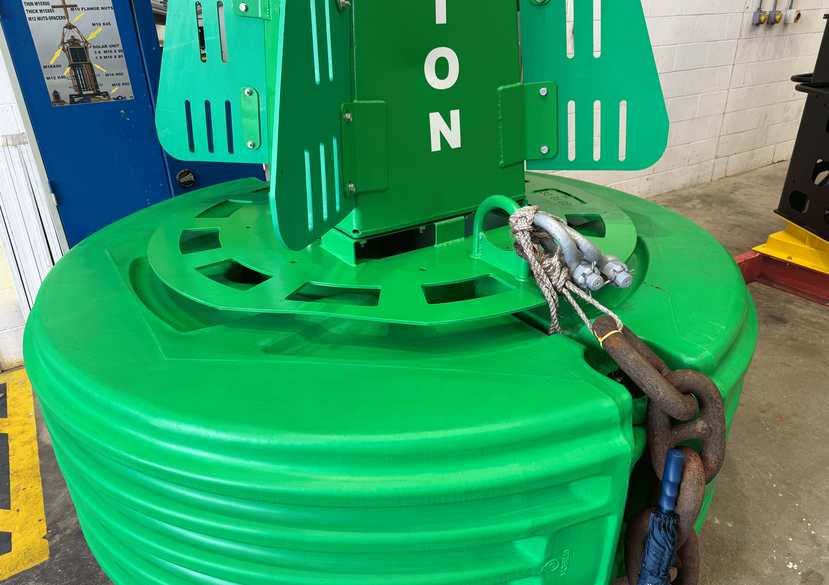
More information
The challenge
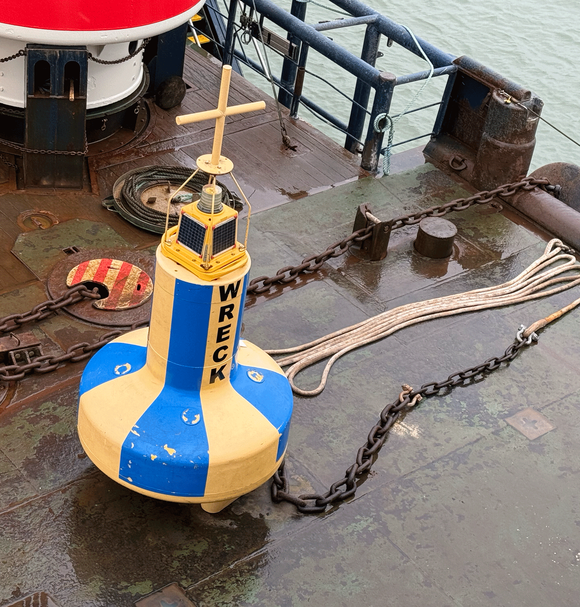
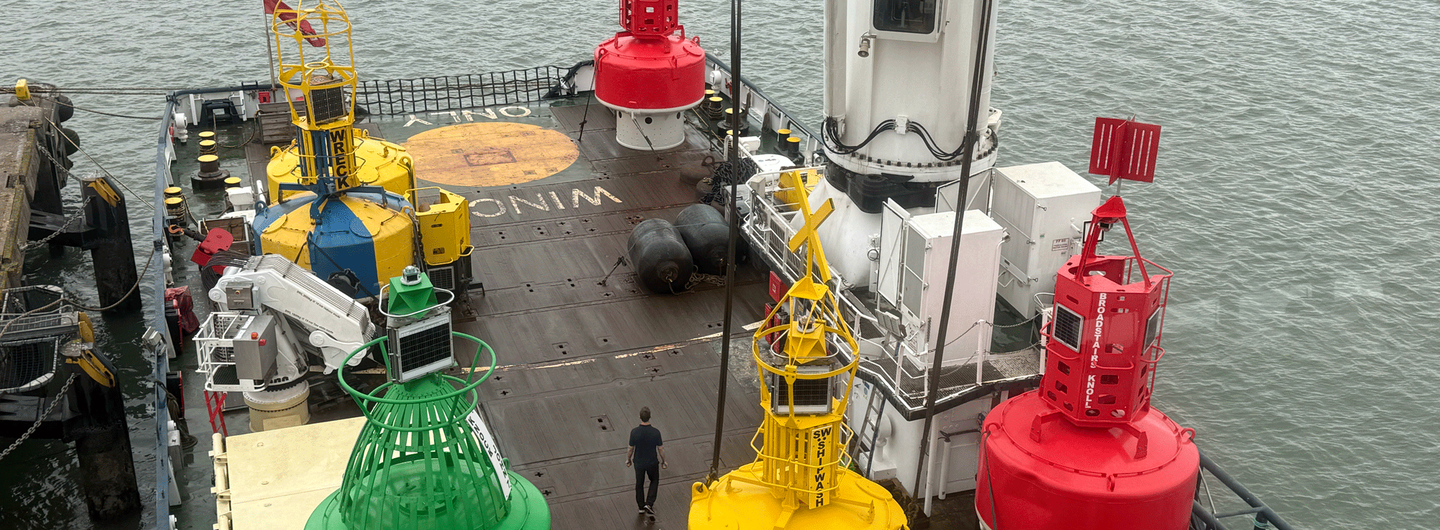
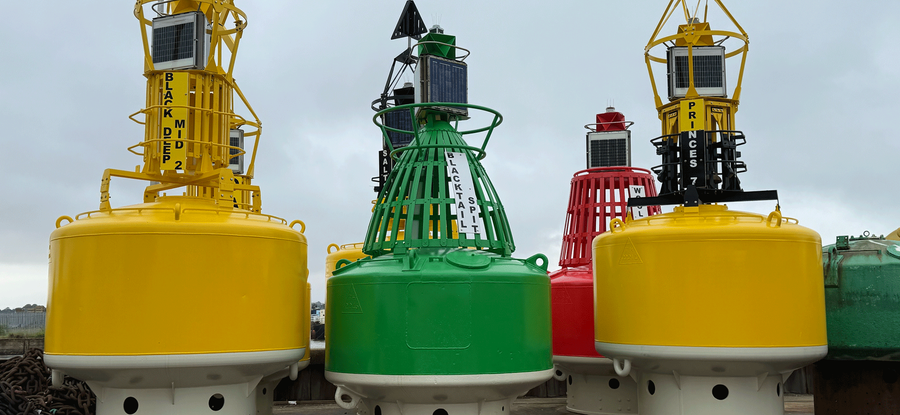
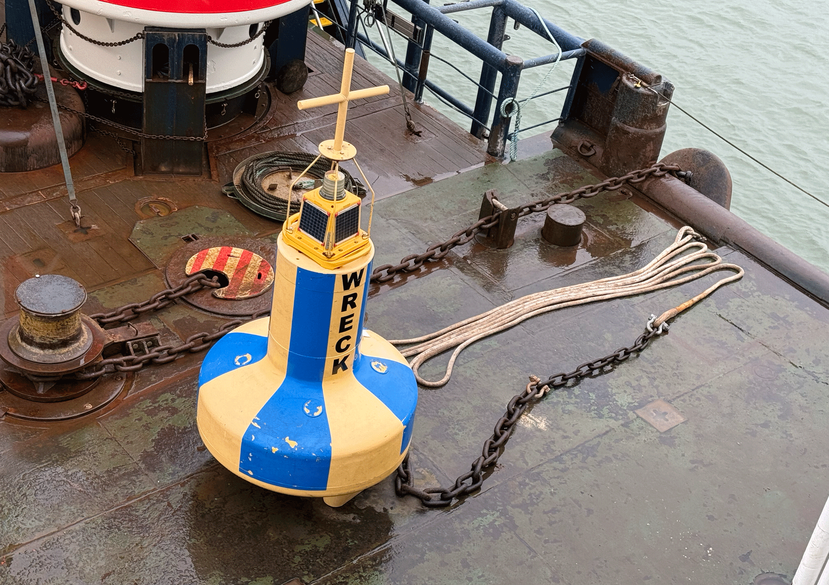
Currently, vessels at sea rely on aids to navigation (AtoN) that must conform to global standards set by the Intergovernmental Organisation for Marine Aids to Navigation (IALA). While these industrially manufactured tools are essential for mitigating maritime risks, the cost, logistical challenges, resources and lack of local technical knowledge often creates a significant barrier for developing regions, leaving critical waterways underserved.
The aim is to co-design and develop low cost aid(s) to navigation suitable for sustainable local construction and maintenance. This will involve engaging with local communities to collaboratively design and build AtoN solution(s) that leverage local expertise in materials and making through a co-design process to exchange knowledge between the project partners.
Our approach
The approach chosen for this project is participatory and collaborative. Engaging and exchanging knowledge with local communities allows the design of local, circular and resilient solutions.
The collaboration with IALA also permits a unique ‘designing backwards’ process: instead of confronting a project with marine regulations later, the project is based on these regulations from the beginning to ensure compliance.
The project is currently in its initial stage of topic familiarisation, relationship building, and early research. A total of five visits are planned to the Solomon Islands, where the Solomon Islands Maritime Authority (SIMA) will collaborate with the RCA team to establish a solid connection.
Outputs
- Series of co-designed aids to navigation prototypes tested at sea.
- The project will be documented in a joint publication supported by IALA.
- Circular and sustainable materials and technology case study.
- A series of dissemination media and resources that will allow the project to be scaled and adopted in other global locations.