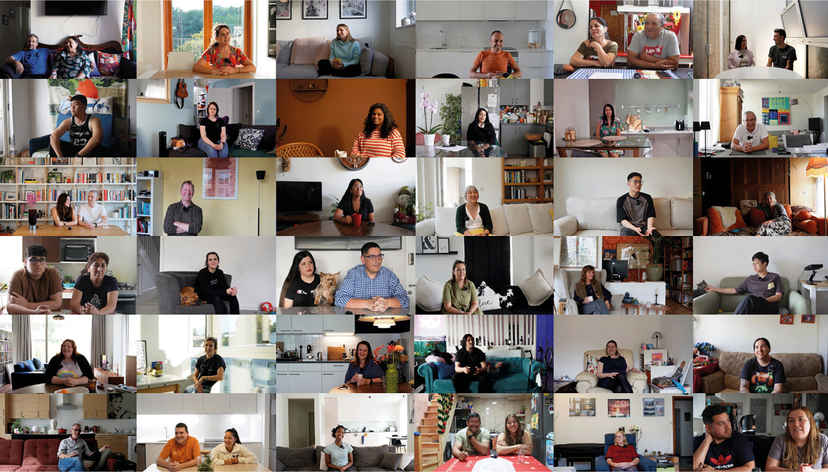
Critically exploring wearable augmented reality and spatial computing through bold interdisciplinary research, experimentation and making, in collaboration with Snap and SPECS.

At a glance
- A unique interdisciplinary collaboration between the Royal College of Art, Snap and SPECS, bringing together researchers from twenty MA, MFA and PhD programmes to explore wearable augmented reality.
- Through research, making and experimentation, students critically investigated how AR and spatial computing might reshape ways of understanding and experiencing the world.
- Projects challenged conventional approaches to emerging technologies, exploring their wider cultural, social and ecological implications through diverse creative practices.
- The collaboration resulted in twelve experimental projects and propositions for Snap's new SPECS that reimagine how we navigate, interpret and share knowledge of the world through AR.
RCA x Snap SPECS is part of a series of R&D collaborations between the RCA and Snap, which also includes RCA x Snap AR and RCA x Snap Spectacles. The RCA also co-leads the Snap Lens Lab.
Key details
Gallery



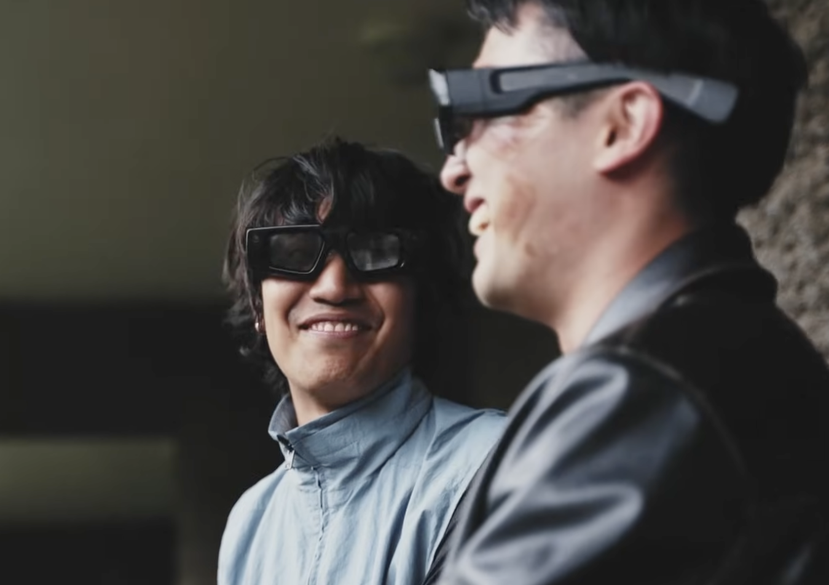


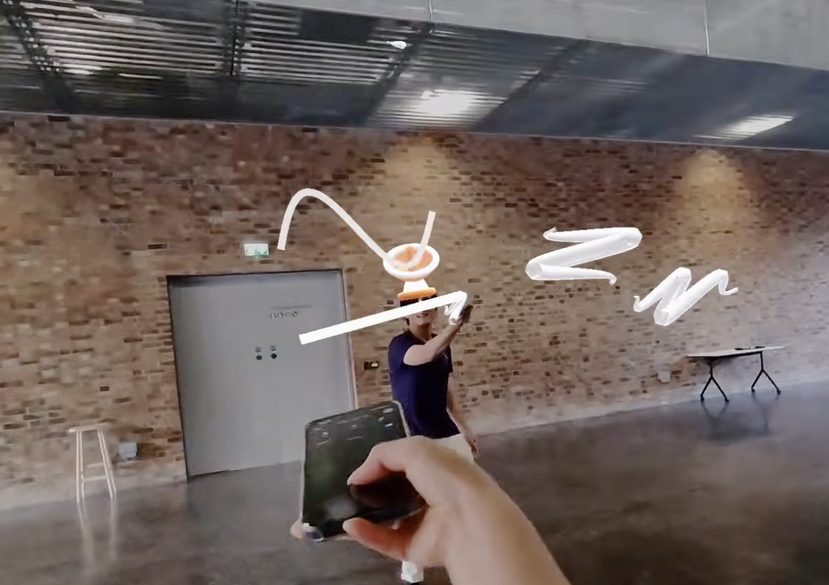
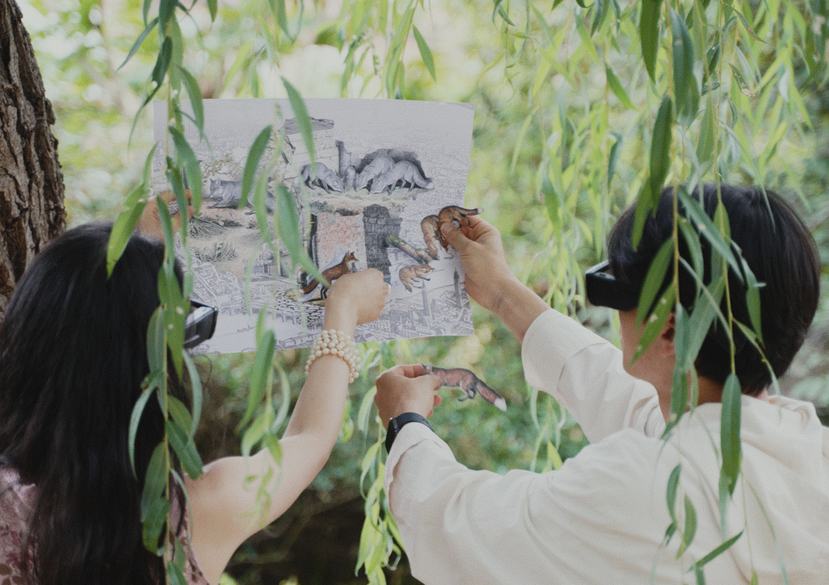
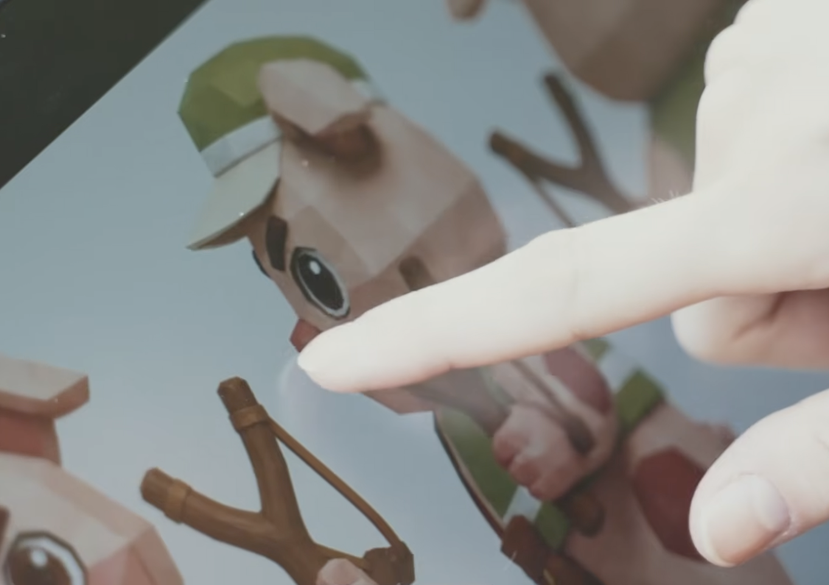
More information
The challenge
In collaboration with Snap Inc. and SPECS, the programme challenged participants to move beyond established applications and assumptions, exploring how AR might transform perception, physical space, exploration and knowledge sharing. Through interdisciplinary research, experimentation and making, students were invited to push the boundaries of what is possible while questioning how technology should be developed, experienced and understood. The challenge was to imagine new directions for AR through diverse practices, perspectives and forms of critical inquiry.
Our approach
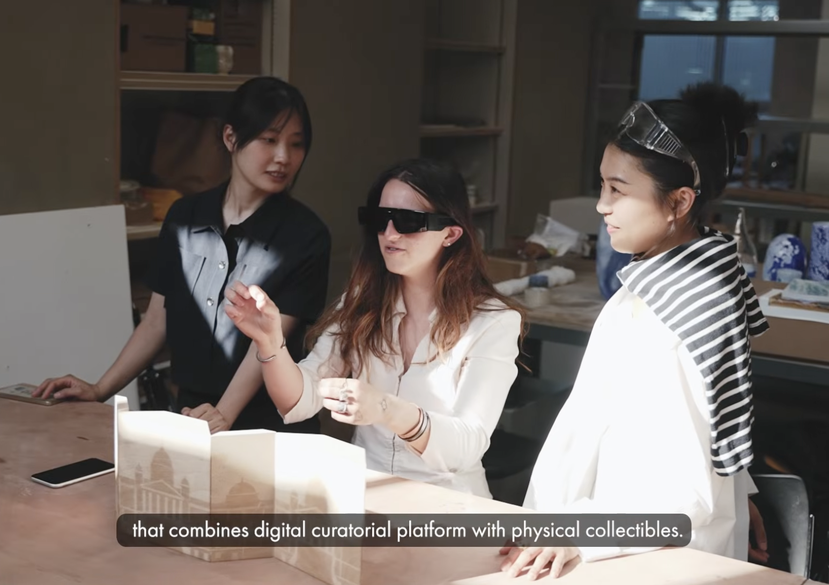
Through workshops, collaborative sessions, prototyping and engagement with academic and industry guests, participants explored the potential of wearable AR across diverse disciplines and practices. Students were encouraged to develop their own critical perspectives, testing ideas through hands-on experimentation and questioning the assumptions embedded in emerging technologies. The resulting projects span new forms of spatial communication, perception and expression, reflecting a broad range of approaches to how AR might shape future experiences.
Outputs
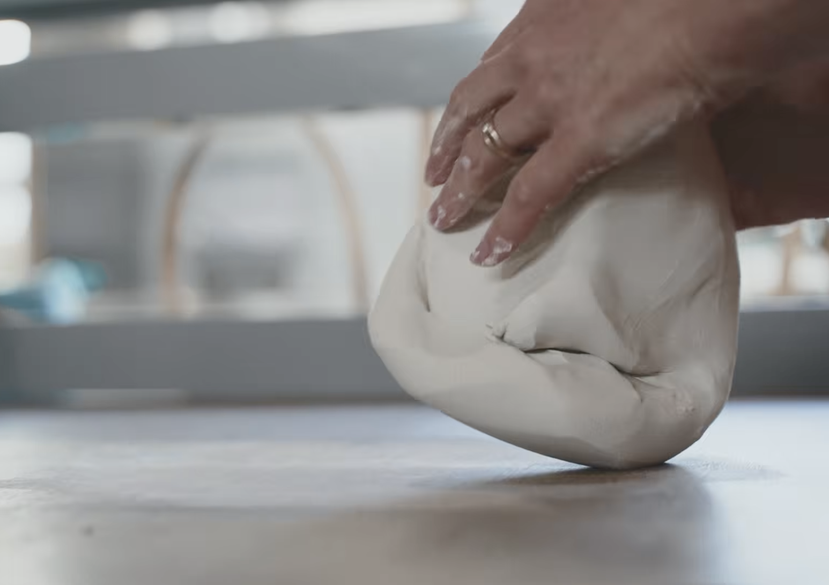
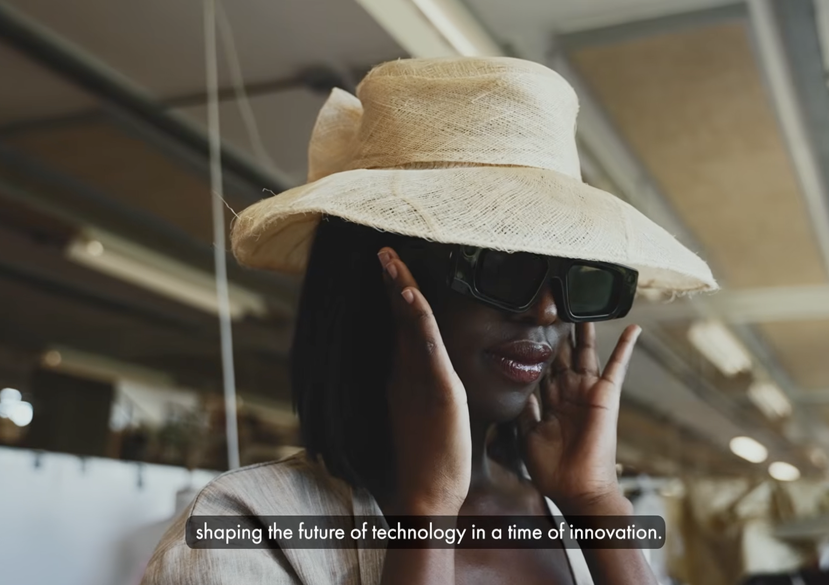
This year's programme culminated in the publication of twelve projects and a two-day public exhibition, welcoming two hundred guests to discover the work and engage with the creative potential of wearable AR. Each project was documented through a high-quality film, capturing its ideas, process and outcomes. Supporting publicity amplified the collaboration between RCA, Snap Inc. and SPECS, extending the projects’ reach and contributing to wider conversations around augmented reality and spatial computing.